Elections · November 6, 2026
Election 2026: what voters decided on property tax
Florida cut homestead taxes, Oklahoma kept its caps, South Dakota counties rejected sales tax swaps, and Dallas and Cuyahoga counties split on new money. A roundup.
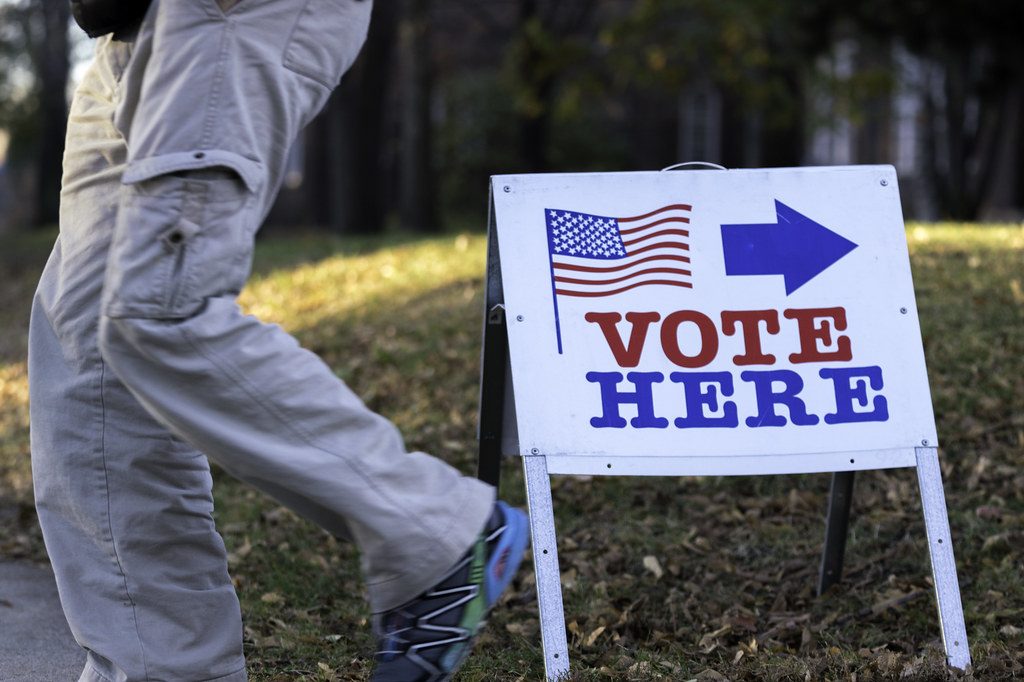
Property tax was on the ballot across the country this week, and the results point in more than one direction. Voters in some places chose large cuts, while others turned down limits or approved new levies. Here is what happened in the biggest races, with what each result means for a typical homeowner.
Florida: a large homestead cut
Florida voters approved Amendment 3 with about 62% of the vote, just above the 60% needed. It raises the homestead exemption on non-school property taxes to $150,000 in 2027 and $250,000 in 2028. Local estimates put savings for eligible homeowners at roughly $1,300 in 2027 and about $2,700 a year after that. The typical Florida bill today is $2,730 a year, about 0.76% of home value, so for many owners the cut is a large share of what they pay outside school taxes. Counties and cities now face a revenue gap they will have to fill or absorb. Read the full story.
Oklahoma: caps stay where they are
Oklahoma’s State Question 847 would have tightened the yearly cap on taxable value growth for homesteads and farmland from 3% to 1.75%, and for other property from 5% to 4%. It failed with about 54% voting no, after schools and local governments warned about slower revenue. The typical Oklahoma bill is $1,599 a year, about 0.80% of home value. Read the full story.
South Dakota: no to sales tax swaps
In Brown and Codington counties, voters rejected half-cent county sales taxes that would have lowered homeowners’ property tax rates, with about 56% and 60% voting no. Relief is still coming from the state, which plans to raise its sales tax rate from 4.2% to 4.5% next year and use the money to cut homeowners’ property taxes. Read the full story.
Dallas County: no to a rate increase
Dallas County voters turned down Proposition A, a county tax rate 2.4 cents per $100 of value above the level Texas allows without a vote, meant to fund homelessness and mental health programs. Several other North Texas tax and bond measures also failed. The typical Dallas County bill is $4,798 a year, about 1.58% of home value. Read the full story.
Cuyahoga County: yes to new levies
In the Cleveland area, voters approved a renewal and increase of the county’s health and human services levy, to 7.2 mills for 10 years, and a developmental disabilities levy. Cuyahoga already has one of Ohio’s highest typical rates, about 2.0%. Read the full story.
The pattern
Two themes run through the results. First, voters are willing to cut their own bills when the cut is large and clearly aimed at homesteads, as in Florida. Second, many still back local services when asked about a specific purpose, as in Cuyahoga County, while rejecting open-ended rate increases or structural limits whose effects are harder to picture.
For the homeowner, none of these changes show up right away. New exemptions and levies take effect with future tax years, and local governments will set rates next summer and fall. Our county pages will reflect the changes once they appear in Census and local data.
Common questions
Which state cut property taxes in the 2026 election? Florida, through Amendment 3, which expands the homestead exemption on non-school taxes.
Did any states vote on limiting assessment increases? Yes. Oklahoma’s State Question 847 would have tightened its caps, and it failed.
When will these changes affect bills? Florida’s exemption starts in 2027. Local levies usually apply to the next tax bill after approval.
Sources: Bay News 9 · Ballotpedia · South Dakota Searchlight · Dallas County · Cuyahoga County