Florida · November 6, 2026
Florida voters approve Amendment 3: bigger homestead exemption from 2027
The non-school homestead exemption rises to $150,000 in 2027 and $250,000 in 2028. What it could mean for a typical Florida bill, and for local budgets.
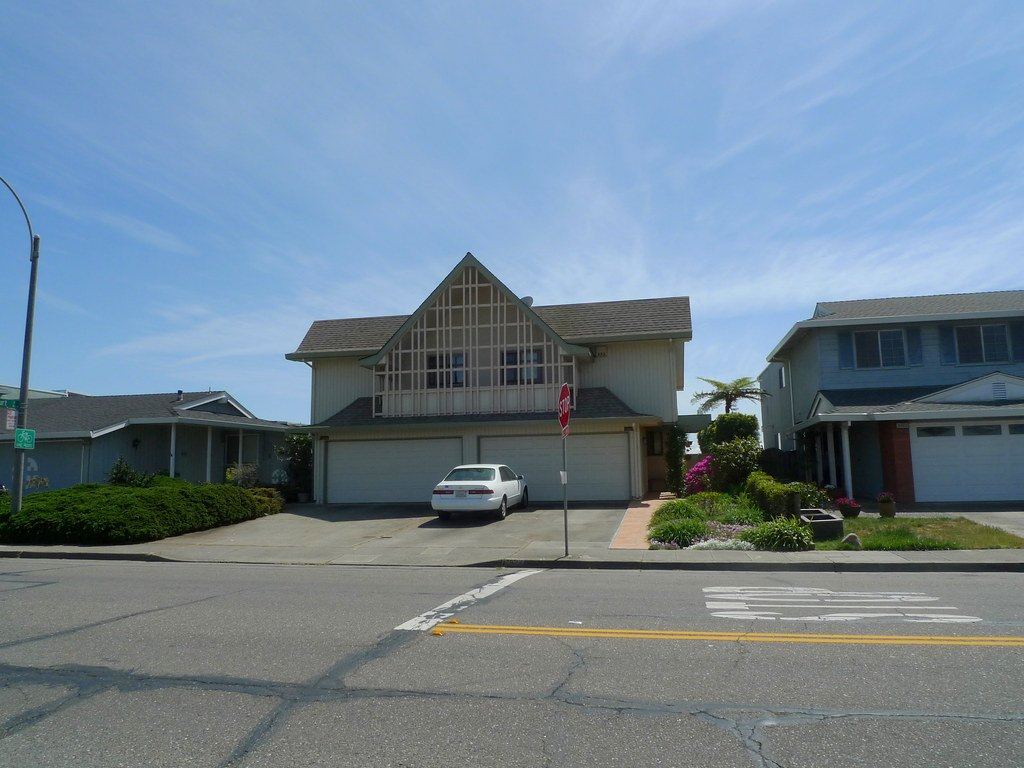
Florida homeowners will see one of the largest property tax cuts in the state’s recent history after voters approved Amendment 3 on Tuesday. The measure won about 62% of the vote, just clearing the 60% that Florida requires for constitutional amendments.
Amendment 3 expands the homestead exemption that applies to non-school property taxes, the part of the bill that pays for counties, cities and special districts. The exemption rises to $150,000 in 2027 and to $250,000 in 2028. School taxes are not affected, so every homeowner will still pay the school portion of the bill on the full assessed value after the existing exemptions.
Local estimates reported after the vote put the savings for an eligible homeowner at roughly $1,300 on the 2027 bill and about $2,700 a year from 2028 onward. The exact amount depends on the home’s assessed value and the combined county, city and district rates where it sits.
What Floridians pay now
Florida already sits in the lower half of states for property tax. Census survey figures for 2020 to 2024 put the typical Florida homeowner’s bill at $2,730 a year, about 0.76% of a median home worth $359,000. The national typical rate is about 0.94%.
The big metro counties are a little higher than the state as a whole. In Miami-Dade County the typical bill is $3,744 (0.81%), in Broward County $3,890 (0.94%), in Palm Beach County $3,858 (0.86%), in Hillsborough County $3,010 (0.81%) and in Orange County $2,967 (0.76%). Pinellas County is lower at $2,474 (0.70%).
Florida homeowners with a mortgage report noticeably higher bills than those without one. In Miami-Dade, the typical owner with a mortgage pays $4,079, while one without a mortgage pays $3,205. Part of that gap comes from Save Our Homes, the existing rule that caps how fast a homestead’s assessed value can rise each year. Long-time owners have had years of capped growth, while recent buyers start at today’s market value. A bigger flat exemption helps recent buyers relatively more, because they have had less time to benefit from the cap.
The trade-off for local governments
Because the exemption only touches non-school taxes, the revenue loss lands on counties, cities and special districts. Researchers and local officials have warned that services such as libraries, parks, after-school programs and road maintenance could face cuts if local governments do not raise rates or find other money. Some economists also point out that when homesteads pay less, a larger share of the remaining tax falls on rental property, businesses and second homes, which can feed into rents.
Local governments will set their 2027 budgets next summer, and that is when homeowners will see how much of the cut reaches their actual bill. Rate changes, new assessments and any new local levies will all play a part.
What homeowners should do
The new exemption applies to homesteads, so the key step is to make sure your homestead exemption is on file with your county property appraiser. If you bought your home recently and have not filed, you can usually apply by March 1 for the coming tax year. Owners who already have a homestead exemption do not normally need to reapply.
For a quick sense of your current bill, each Florida county page on this site shows the typical rate and a calculator. Keep in mind that our figures describe bills before Amendment 3 takes effect.
Common questions
When does Amendment 3 take effect? The larger exemption starts with the 2027 tax year at $150,000 and rises to $250,000 in 2028.
Does it lower school taxes? No. It applies only to non-school property taxes.
Do I need to apply? If you already have a Florida homestead exemption, it should carry over. New owners should file for a homestead exemption with the county property appraiser.
Will rental or second homes get the cut? No. The exemption applies only to a homestead, the home you live in as your permanent residence.
Sources: Bay News 9, Nov. 4, 2026 · WLRN / The Conversation, Nov. 5, 2026