Texas property tax explained: why bills are high and how to lower yours
Texas has no state income tax, so property tax does the heavy lifting. Typical bills for Harris, Dallas, Travis and other big counties, plus exemptions and protests.
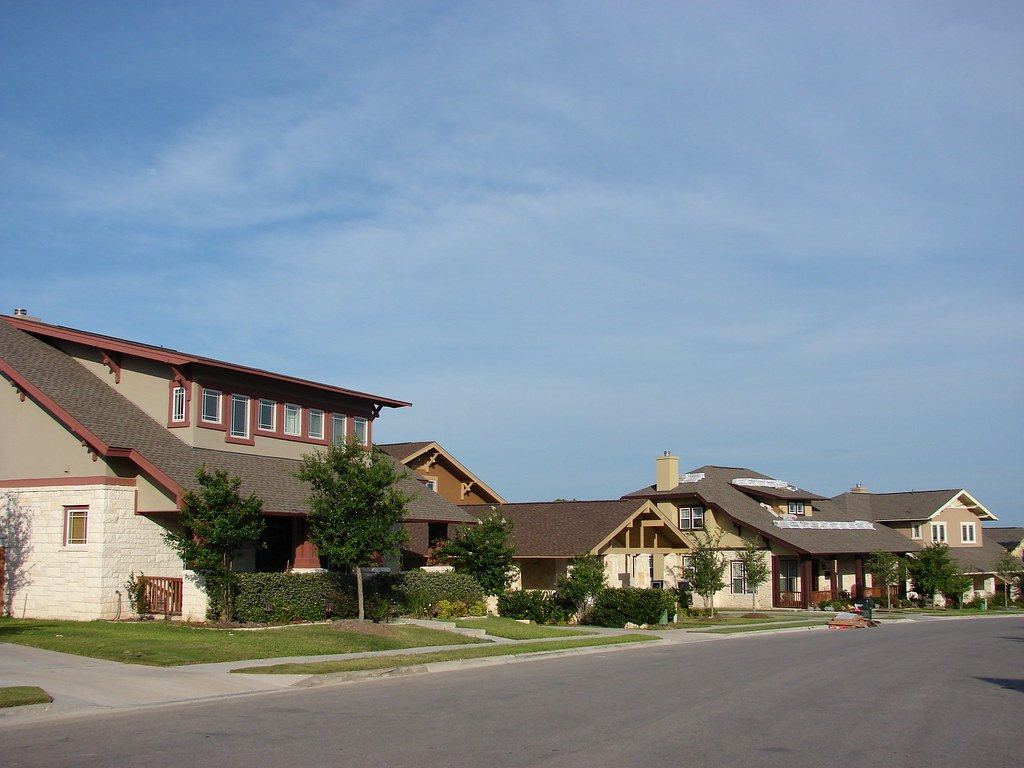
People moving to Texas often hear two things at once: there is no state income tax, and the property tax is brutal. Both are true, and they are connected. With no income tax, the state and especially its school districts rely heavily on property tax. The typical Texas homeowner pays $4,232 a year, about 1.49% of a median home worth $283,800. That rate is the seventh highest in the country.
What a typical bill looks like in the big counties
In the largest metro counties the effective rate sits in a narrow band, but bills swing widely because home values do.
- Harris County (Houston): typical rate 1.62%, typical bill $4,489
- Dallas County: 1.58%, $4,798
- Tarrant County (Fort Worth): 1.65%, $5,334
- Bexar County (San Antonio): 1.73%, $4,535
- Travis County (Austin): 1.48%, $7,727
- Collin County: 1.58%, $7,521
- Fort Bend County: 1.86%, $6,965
- El Paso County: 2.03%, $3,660
Travis County has one of the lower rates on this list but the biggest typical bill, because its median home is worth $523,000. El Paso has the highest rate but one of the smaller bills, because homes there are much cheaper.
Who gets the money
A Texas bill is a stack of separate taxes, each set by its own board. Your school district usually takes the largest share. Then come the county, your city if you live inside one, and special districts: hospital districts, community colleges, emergency services, and the municipal utility districts that pay for water and roads in many newer subdivisions. A home outside city limits in a utility district can end up with a higher total rate than a home in town.
The appraisal district in each county sets your home’s value every year. The taxing bodies then set rates in late summer, and bills go out in October. Payment is due by January 31.
Exemptions every owner should claim
The general homestead exemption is the biggest. After voters approved an increase in 2025, it removes $140,000 of value from the school district portion of your tax, and many counties and cities offer their own percentage exemption on top. You claim it once with your appraisal district for the home you live in on January 1.
Owners who are 65 or older, or who have a disability, receive a larger school exemption and a ceiling that freezes their school tax at the level of the year they qualified. Disabled veterans can receive partial or full exemptions depending on their rating.
A homestead also caps how fast your taxable value can rise: no more than 10% a year, no matter how fast the market moves.
Protesting your value
Texans protest their appraisals more than almost anyone else, and it often works. The usual deadline is May 15, or 30 days after your appraisal notice arrives, whichever is later. You can file online with most appraisal districts. The strongest evidence is recent sales of similar homes nearby that sold for less than your appraised value, or photos and repair estimates for problems the appraiser could not see.
Common questions
Why is Texas property tax so high? Mainly because there is no state income tax, so schools and local services are funded largely by property tax.
What is the average property tax in Texas? About $4,232 a year on a median home worth $283,800, an effective rate near 1.49%.
Can my Texas property tax go up every year? Yes, but with a homestead exemption your taxable value can rise by no more than 10% a year. Rate changes can still raise the bill.
When are Texas property taxes due? Bills arrive around October, and payment is due by January 31 of the following year.
Figures from the US Census Bureau American Community Survey, 2020-2024. How we calculate them.