How property tax changes when you buy a home
The tax the seller paid is often not the tax you will pay. How reassessment, lost exemptions and escrow work in your first year as an owner.
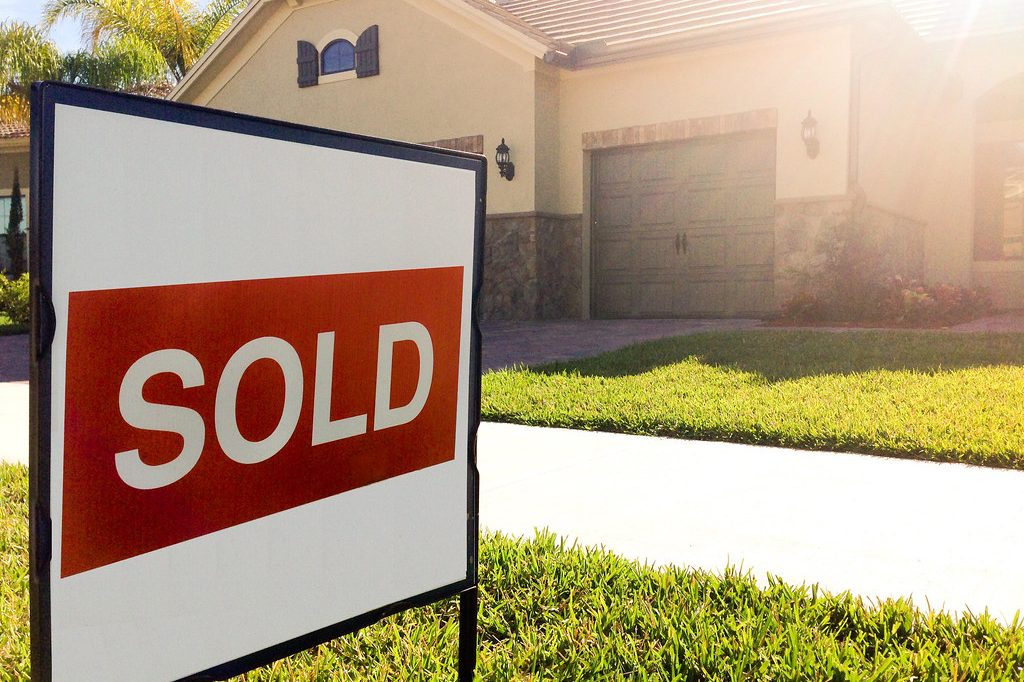
One of the most common surprises for new homeowners arrives about a year after closing: a property tax bill much larger than the one on the listing. The seller was not hiding anything. Their bill reflected their own situation, and many of the things that kept it low do not transfer to you.
Why the seller’s bill can be misleading
Three things usually explain the gap.
The first is the assessed value. In many states, a sale triggers a fresh look at what the home is worth, and the price you paid becomes strong evidence. If the seller had owned the home for fifteen years, their assessed value may have lagged far behind the market.
The second is caps. Several states limit how fast a home’s taxable value can rise each year, but only while the same owner holds it. California is the best-known case. Under Proposition 13, the taxable value is reset to the purchase price when a home sells, and from then on it can rise by no more than 2% a year. An owner who bought in 1995 may be taxed on a fraction of today’s value. When you buy, you start fresh at today’s price. Florida, Michigan, Oregon and Texas have their own versions of a cap that resets or loosens at sale.
The third is exemptions. The seller may have claimed a homestead exemption, a senior freeze, or a veteran’s exemption. Those belong to the person, not the house. You can claim the ones you qualify for, but you usually have to apply, and in some states the exemption only starts the year after you move in.
A quick way to estimate your own bill
Before you make an offer, take the price you expect to pay and multiply it by the county’s typical effective rate. If you are buying a $450,000 home in a county with a typical rate of 1.5%, plan on about $6,750 a year, or $563 a month. The county pages on this site have a calculator that does this and shows a table for other prices.
Then check two things with the county assessor or tax office: whether the home is in a special district that adds to the rate, such as a utility or improvement district, and which exemptions you can claim and when.
How escrow handles it
Most mortgage lenders collect property tax with your monthly payment and hold it in an escrow account, then pay the bill for you. At closing, the lender sets the escrow amount based on the current bill, which is often the seller’s lower one. When the higher bill arrives, the account comes up short. The lender will then raise your monthly payment and may ask you to cover the shortfall, either in one payment or spread over the next year.
You can avoid the shock by asking your lender to base escrow on your estimated new bill from the start, or by setting money aside yourself for the first year.
Prorations at closing
Property tax is usually split between buyer and seller at closing based on the days each owned the home during the tax year. Depending on whether your area bills in advance or in arrears, you may get a credit from the seller or owe one. The closing statement will show it as a line item, and it is worth reading carefully.
Common questions
Will my property tax go up when I buy a house? Often, yes, especially if the seller owned the home for many years, claimed exemptions, or lived in a state that caps assessments until sale.
Do I get the seller’s homestead exemption? No. You need to file for your own, usually with the county appraiser or assessor.
How do I estimate property tax before buying? Multiply the purchase price by the county’s typical effective rate, then check for special districts and exemptions.
Why did my mortgage payment go up after the first year? Usually because the escrow account was set using the old, lower tax bill.
Figures from the US Census Bureau American Community Survey, 2020-2024. How we calculate them.